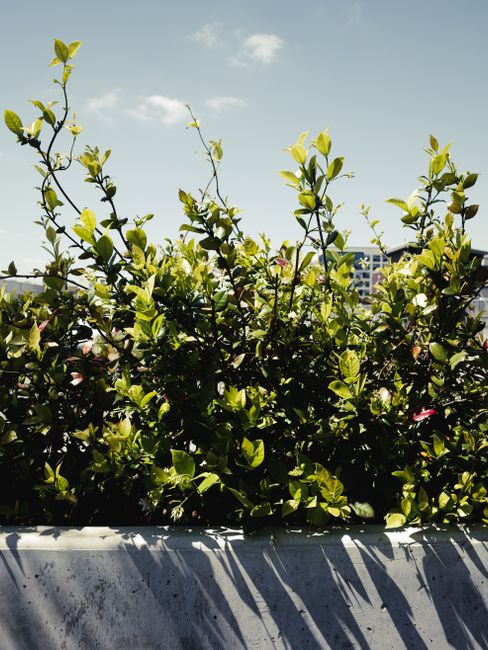
Kennington Oval Landscaping Case Study by Local Gardeners
If you are trying to understand what a Kennington Oval landscaping case study by local gardeners actually looks like in practice, you are probably not looking for glossy before-and-after fluff. Fair enough. You want to know how local gardeners approach a real outdoor space, what decisions matter, what can go wrong, and whether the finished result is likely to suit everyday life rather than a photo shoot.
This article walks through the kind of landscaping thinking that works well around Kennington Oval: practical garden planning, careful plant choices, clear maintenance expectations, and tidy workmanship that respects the character of the area. It is written to help homeowners, landlords, property managers, and anyone weighing up a garden refresh make a better decision. And yes, we will keep it grounded, because in the real world a soggy border, a patchy lawn, or a tired paved corner can be more persuasive than any design sketch.
For readers comparing service options, it can also help to look at the broader garden services overview and the firm's wider approach to landscaping and landscape gardening. Those pages are useful if you want to understand how a project moves from idea to delivery.
Contents
- Why Kennington Oval landscaping case study by local gardeners Matters
- How Kennington Oval landscaping case study by local gardeners Works
- Key Benefits and Practical Advantages
- Who This Is For and When It Makes Sense
- Step-by-Step Guidance
- Expert Tips for Better Results
- Common Mistakes to Avoid
- Tools, Resources and Recommendations
- Law, Compliance, Standards, or Best Practice
- Options, Methods, or Comparison Table
- Case Study or Real-World Example
- Practical Checklist
- Conclusion
- Frequently Asked Questions
Why Kennington Oval landscaping case study by local gardeners Matters
Landscaping in Kennington Oval matters for a simple reason: the outdoor space is often doing more jobs than people realise. It may need to feel calm, look neat from the street, handle shade or exposure, and stay manageable through the year. A local gardener understands that a design which looks lovely on paper can be a nuisance if it creates constant leaf drop, awkward access, poor drainage, or too much weekly upkeep.
Local knowledge makes a difference here. Around south London, gardens can be compact, enclosed by neighbouring properties, and shaped by long-established boundaries, mature shrubs, and a mix of paving, lawn, and planting beds. A gardener who works locally is more likely to spot those patterns quickly. That matters because a good landscaping decision is not just about style; it is about whether the space will still feel easy to live with in six months' time.
There is also the trust factor. People often want a project that feels personal, not generic. When a local team handles the work, they are usually thinking about nearby property styles, typical soil conditions, and how outdoor spaces are actually used in day-to-day life. In our experience, that is where many stronger results come from: less grand talking, more sensible planning.
Expert summary: The best landscaping case studies are rarely the most dramatic. They are the ones where the garden becomes easier to use, easier to maintain, and better suited to the property without feeling overdesigned.
How Kennington Oval landscaping case study by local gardeners Works
A proper landscaping project usually starts with listening. That sounds obvious, but it is where a lot of jobs are won or lost. Local gardeners typically begin by asking how the garden is used now, what is annoying the owner, and what needs to stay. A family space, a rental garden, and a quiet courtyard all need different thinking. Same site, very different brief.
From there, the process often moves through a few practical stages:
- Initial assessment: measure the space, check access, look at sun and shade, note drainage, and identify any existing features worth keeping.
- Problem solving: tackle patchy turf, overgrown edges, tired borders, awkward slopes, damaged timber, or poor layout.
- Design choices: decide what should be planted, what should be built, and where movement through the garden should happen naturally.
- Preparation: clear waste, improve soil where needed, and level or reshape areas before finishing work begins.
- Installation and finishing: plant, lay turf, edge borders, install hard landscaping, and tidy up so the space feels complete rather than half-done.
- Aftercare planning: agree how the garden will be maintained, because even the best design can drift if nobody looks after it.
If the job includes heavy clearing before the main build, a service like garden clearance can be a useful early step. And if the garden needs ongoing attention after the landscaping is finished, garden maintenance is often what keeps the new layout looking sharp instead of slipping back into the usual weekend scramble.
The key point? Landscaping works best when it is treated as a sequence, not a single event. One day the space is cluttered and awkward. The next day it looks transformed. But the real measure is whether it still works three months later, once rain, foot traffic, and the British habit of "I'll sort that next weekend" have had their say.
Key Benefits and Practical Advantages
There are plenty of reasons people invest in landscaping, but the useful benefits are usually more grounded than the sales pitch. A well-planned garden can improve daily living straight away. You notice it when the back door opens onto something neat and calm rather than a mess of uneven edges and forgotten pots. Small thing. Big mood shift.
- Better use of space: a narrow garden can feel larger when paths, beds, and seating are arranged properly.
- Less maintenance stress: choosing appropriate plants and materials can reduce weekly work.
- Improved kerb appeal: tidy front or visible garden areas support the overall look of the property.
- Stronger seasonal interest: using a mix of evergreen structure and changing planting keeps the space attractive year-round.
- Safer movement: clear routes, stable paving, and sensible layouts reduce awkward or slippery areas.
- Better property value presentation: while value depends on many factors, a well-kept outdoor area usually improves buyer or tenant perception.
For some properties, a simple combination of mowing, pruning, reshaping beds, and improving pathways is enough. For others, the biggest gain comes from structural changes such as edging, decking, or redefining how the space is used. If timber features are part of the plan, decking services can help create a usable seating area without overcomplicating the design.
And there is another benefit people often underplay: confidence. Once the garden feels under control, you stop avoiding it. That might sound a bit dramatic, but it is true. A space that used to feel like a chore can start to feel like part of the home again.
Who This Is For and When It Makes Sense
This kind of landscaping is not only for large gardens or high-end showpieces. In fact, the most useful projects are often for ordinary homes that just need to work better. If you live near Kennington Oval, you may recognise the pattern: not much spare time, limited outdoor space, and a strong desire for the garden to look tidy without turning into another full-time job.
It makes sense for:
- homeowners who want a more liveable garden
- landlords needing a presentable outside space for tenants
- busy households that want lower-maintenance planting
- people preparing a property for sale or rental
- residents dealing with overgrowth, poor layout, or tired finishes
- anyone who wants a local gardener's view before spending on a bigger redesign
It may also make sense if the garden has become a mixed bag of half-finished ideas. You know the sort of thing: a few paving slabs here, a line of shrubs there, one area too shady for grass, and somehow everything feels a bit undecided. A local gardener can often bring that together without ripping everything out.
If the main issue is overgrown hedges or boundary plants rather than full redesign, hedge trimming and selective pruning may be the smarter first move. If the garden is cluttered with old materials and you need a clean slate, start with garden clearance. Truth be told, not every "landscaping project" needs a grand rebuild.
Step-by-Step Guidance
Here is a practical way to think about a Kennington Oval garden transformation from the moment you decide to act.
1. Define the main problem
Is the issue layout, maintenance, poor planting, lack of privacy, or simply that the garden feels neglected? Pinning this down early saves money and avoids the classic mistake of solving the wrong problem. A garden can look messy because it is overgrown, or because the structure is weak. Those are not the same fix.
2. Decide what must stay
Some elements should be kept: a mature tree, a healthy shrub, a decent path, or a boundary feature with character. Local gardeners often get better results by preserving the right things rather than starting from zero. That keeps the garden looking settled, not newly dropped from a catalogue.
3. Deal with access and clearance
Before anything else goes in, the site should be workable. That might mean moving waste, cutting back growth, lifting broken materials, or creating space for tools and materials. If trees are interfering with light or safety, tree lopping and removal may need to be discussed carefully and handled by experienced gardeners.
4. Shape the layout
Good layout makes the garden easier to read. Paths should lead somewhere obvious. Seating should feel sheltered rather than stranded. Borders should not force you into awkward stepping patterns. This stage often separates tidy from truly useful.
5. Choose planting that suits the site
Local conditions matter: shade, wind, soil moisture, and how much time you want to spend watering or deadheading. A garden that gets little sun will not thank you for a plant selection that wants bright light all day. The plants should fit the space, not the other way around.
6. Add the finishing layer
Once the hard work is done, the details matter. Clean edging, simple repetition of plants, and a tidy surface finish all help the garden feel intentional. The last 10% of the work often makes the biggest visual difference. Slightly annoying, yes. Also true.
7. Plan the first season of care
Many new gardens need a settling period. Plants establish, soil changes, and materials weather. Ongoing mowing, trimming, watering, and light tidying help the design hold together. If you want that consistency, lawn mowing and regular garden care can keep the space looking deliberate rather than forgotten.
Expert Tips for Better Results
Local gardeners tend to rely on practical judgement more than fancy terminology. That is probably a good thing. Here are a few habits that usually produce better work.
- Start with maintenance reality, not dream maintenance. If you only have an hour a fortnight, the design should respect that.
- Use structure first. Evergreen shapes, edging, and clear routes give a garden backbone even in winter.
- Keep one or two focal points. Too many features can make a compact garden feel fussy.
- Choose planting in layers. Ground cover, mid-height planting, and taller elements create depth without clutter.
- Leave room to move. A garden should be pleasant to use, not just pleasant to look at from the kitchen window.
- Ask about aftercare before work begins. What will need watering, cutting back, or seasonal reshaping?
A small but useful tip: take photos at different times of day before any work starts. A space can look warm and sunny at midday and surprisingly gloomy by 4 p.m. in winter. That kind of detail changes plant choice and seating placement more than most people expect.
Also, try not to overcomplicate the brief. A really good local gardener will often spot the simplest winning move first. Let them talk you out of unnecessary bits. It happens more than people admit.
Common Mistakes to Avoid
Landscaping mistakes are expensive not because every individual error is huge, but because they tend to compound. One poor choice leads to another, and suddenly the garden is awkward in several different ways.
- Choosing style before function: a beautiful layout that is hard to maintain will age badly.
- Ignoring drainage: waterlogged patches can ruin turf, plants, and paving.
- Using the wrong plants for the site: too much shade, too little moisture, or poor soil will show up quickly.
- Overcrowding borders: it may look full on day one, then messy and competitive later.
- Skipping proper clearance: building over hidden debris or roots creates avoidable problems.
- Forgetting the long view: a garden needs to look good next month, next season, and next year.
Another common issue is underestimating how much upkeep a design really needs. Some people want a "low maintenance" garden and then choose features that need constant feeding, clipping, and rebalancing. Bit of a trap, that. If maintenance is a priority, make sure the plan is realistic and then support it with structured garden maintenance.
And if you are tempted to do everything in one hit, pause. It is usually better to stage a project well than to rush through the lot and discover a drainage problem or access issue after the expensive bits are in place.
Tools, Resources and Recommendations
You do not need a van full of specialist kit to understand a landscaping project, but it helps to know what good work depends on. For most residential gardens, the essentials are fairly straightforward.
- Measuring tools: accurate dimensions help avoid design mistakes and material shortages.
- Cutting and pruning equipment: used for tidying boundary planting, shaping shrubs, and opening up space.
- Soil improvers and mulch: useful where planting beds need better moisture retention or structure.
- Basic turf care tools: mower, edging tools, and watering equipment for establishing lawns.
- Waste removal planning: because neat finishing depends on clearing the mess properly.
For anyone comparing service choices, it helps to read the company's notes on pricing and quotes. You are not just looking for a number; you are looking for clarity. What is included? What is not? What happens if extra clearance is needed? Those questions save awkward conversations later.
If sustainability matters to you, recycling and sustainability is worth considering too. A sensible landscaper should think about waste segregation, reuse where practical, and choosing materials that are not wasteful for the sake of it.
For trust and service background, it can also be reassuring to check the company's about us page, along with policies covering insurance and safety and health and safety. Not glamorous, I know. Still worth it.
Law, Compliance, Standards, or Best Practice
For residential landscaping, the most important point is to work safely, sensibly, and in a way that respects property boundaries and local expectations. Exact legal requirements can vary depending on the work involved, so it is wise to treat compliance as part of the planning, not an afterthought.
Good practice usually includes:
- checking access routes before equipment arrives
- protecting neighbouring boundaries and surfaces
- handling waste responsibly
- using appropriate personal protective equipment where needed
- being cautious around trees, roots, and underground features
- confirming what work is included before the job begins
If there is any question about tree work, structural alteration, or access near shared boundaries, it is better to slow down and ask than to assume. A proper professional should be comfortable discussing safety and scope in plain language. That is one of the reasons pages like terms and conditions and service policies matter. They show how the work is organised and what standards are being followed.
Privacy and payment details also matter when you are dealing with service providers, even if it feels unexciting. For that reason, it is sensible to review privacy policy and payment and security information before committing. It is the boring bit, yes. But boring often protects you from future headaches.
Options, Methods, or Comparison Table
Not every garden needs the same type of landscaping. The right method depends on how much change you want, how much you can maintain, and how the space is used.
| Approach | Best for | Advantages | Watch-outs |
|---|---|---|---|
| Light tidy and reshape | Gardens that are cluttered but broadly sound | Quick improvement, lower disruption, easier budget control | May not fix underlying layout problems |
| Planting-led redesign | Spaces that need colour, structure, and seasonal interest | Improves feel without major construction | Needs the right species and aftercare |
| Hard landscaping focus | Areas needing paths, decking, edging, or seating zones | Strong structure and clear use of space | Can feel rigid if overdone |
| Full garden overhaul | Severely neglected or poorly arranged gardens | Complete reset, best long-term control | Most disruptive and usually the most involved |
To be fair, many gardens end up somewhere between the first two options. That is not a compromise. It is often the smartest route. You get enough change to make a visible difference without turning the whole project into a production.
For some properties, combining soft landscaping with small functional improvements is ideal. Others benefit from a better lawn edge, a simple path correction, or subtle boundary work. If the project calls for it, the right blend of design-led planting and practical build work makes the most sense.
Case Study or Real-World Example
Here is a realistic example of how a Kennington Oval landscaping brief might unfold, without pretending there is one single "standard" answer. A homeowner wants a more attractive rear garden that is easier to keep tidy, with better use of the available space and a calmer feel from the house. The garden currently has patchy grass, a narrow border full of mixed shrubs, and a small area that collects debris after wet weather.
A local gardener would usually start by clearing the obvious clutter and checking what is worth keeping. Perhaps one established shrub has good shape and can stay. Perhaps the hedge line needs trimming to let more light in. The lawn may be improved, but only if the drainage is acceptable. If not, turfing over it again would just repeat the problem. That is the sort of judgment that separates a quick fix from a useful one.
Next, the layout gets simplified. A straightforward path through the garden may replace awkward stepping zones. The seating area is made more defined, possibly with a small deck or level surface. Planting is then chosen for year-round structure, not just spring colour, because the space needs to look composed even when it is cold, wet, and a bit grey outside. Very London, really.
After the installation, the difference is not only visual. The owner can move through the garden more easily, the space dries out better, and the whole thing feels more intentional. The garden is not trying too hard. It simply works. That is the real win.
If the client wants support after the main work, a continuing plan using lawn mowing, trimming, and seasonal care helps preserve the result. Landscaping is not just the reveal day. It is what happens after the reveal, when normal life resumes and the garden still needs to behave.
Practical Checklist
Use this checklist before starting any landscaping project in the Kennington Oval area.
- Clarify the main reason for the project
- Decide what must stay and what can be removed
- Check access for tools, materials, and waste removal
- Identify shady, wet, windy, or exposed areas
- Choose plants that suit the site and your time available
- Confirm whether hard landscaping or decking is needed
- Ask how drainage will be handled
- Set a realistic maintenance plan for the first season
- Review pricing, scope, and payment details carefully
- Make sure safety, insurance, and waste handling are discussed
- Consider sustainability and recycling where possible
- Agree on the finish standard before the work begins
If you want a simple next step, start by writing down the three most frustrating parts of your current garden. Then rank them. That often reveals what needs fixing first. Not glamorous, but effective.
Conclusion
A strong Kennington Oval landscaping case study by local gardeners is really a lesson in practicality. The best results come from listening carefully, planning with the site in mind, and choosing improvements that suit both the property and the people who actually live there. It is not about making a garden look dramatic for a week. It is about making it more useful, more attractive, and easier to live with over time.
Whether the job is a full redesign, a lighter refresh, or a phased approach, local gardeners bring value through familiarity, judgement, and a feel for what works in real gardens rather than idealised ones. That local eye matters. Especially when a space has to cope with shade, rain, limited room, and ordinary busy life.
If you are comparing your options, a good place to continue is the company's services overview, then move into the details that matter most for your garden. And if you want to understand the team behind the work, the about us page is worth a look.
Get a free quote today and see how much you can save.
Sometimes the best garden changes are the quiet ones. The kind that make you open the back door and think, yes, that feels better.
Frequently Asked Questions
What does a landscaping case study actually show?
A landscaping case study shows how a real or realistic garden project is planned, improved, and maintained. It usually explains the problem, the approach taken, the benefits, and the lessons learned, so you can judge whether the same method suits your own space.
Why use local gardeners for a Kennington Oval landscaping project?
Local gardeners are often better placed to understand nearby property styles, typical garden sizes, shading patterns, and the practical expectations of the area. They can make more grounded decisions about planting, layout, and upkeep.
How long does a typical garden landscaping project take?
It depends on the size of the garden, the level of clearance needed, and whether hard landscaping is involved. A small tidy-up can be quick, while a fuller redesign with new surfaces or planting usually takes longer.
Is landscaping always expensive?
No. Costs vary widely depending on scope, materials, and how much preparation is needed. Sometimes a targeted improvement gives better value than a full overhaul. That is often the smarter move if the budget is tight.
What is the difference between landscaping and garden maintenance?
Landscaping usually means improving or reshaping the garden, often through design, planting, or structural work. Garden maintenance is the ongoing care that keeps the space tidy and healthy after the main work is done.
Do I need a full redesign, or can I improve the garden in stages?
You can absolutely improve a garden in stages. In fact, phased work is often sensible if the space has several issues. Start with clearance, then deal with layout, then planting or finishing details.
What should I ask before hiring a local gardener?
Ask what is included, how the job will be staged, how waste will be handled, what aftercare is recommended, and whether insurance and safety are covered. Clear answers are a good sign.
What are the most common landscaping mistakes in small London gardens?
The biggest mistakes are overcrowding, choosing the wrong plants, ignoring drainage, and creating layouts that are hard to maintain. Small gardens need restraint and a clear plan more than ever.
Can landscaping help a tired or overgrown rental property?
Yes. A tidy, functional outdoor space can make a rental property feel better cared for and easier to manage. In many cases, a mix of clearance, trimming, and simple landscaping gives the best return.
How do I keep a newly landscaped garden looking good?
Follow the aftercare plan, keep on top of mowing and trimming, water new planting properly, and deal with weeds early. A little routine care goes a long way, honestly.
Should I worry about safety and insurance when arranging garden work?
Yes. It is sensible to check that the provider has appropriate safety practices and insurance in place, especially if there is tree work, lifting, access issues, or heavier construction involved.
Where should I start if my garden feels completely out of control?
Start with clearance and a simple assessment of what is salvageable. Once the clutter is gone, it becomes much easier to see the real shape of the garden and decide what should happen next.
For more detail on how services are organised, you can also review the company's terms and conditions and contact us page if you are ready to talk through your own garden plans.