Gardening Services in Lambeth

Our gardening services in Lambeth are set up for households and property owners who want practical help with outdoor spaces, from routine upkeep through to more involved tidy-ups and reshaping work. We focus on the tasks that keep a garden manageable, attractive and safe to use, with clear attention to the condition of lawns, beds, hedges, borders and access areas. If your garden needs regular care or a one-off refresh, we can provide a service shaped around the work that is actually needed.
The main service covers garden maintenance, lawn care, hedge trimming, planting support, garden clearance and related outdoor improvements where they are appropriate. Some gardens need steady attention to prevent them becoming overgrown, while others only need specific jobs to bring them back into order. We work in a straightforward way, keeping the focus on what will improve the space and what can be completed sensibly within the site’s existing layout and condition.
For a clear and well-matched quotation, start with the type of garden you have and the work you would like carried out. Tell us what needs attention, and we can discuss the scope in a practical way. If you already know you need a regular service or a one-off job, you can also request a quotation and outline the areas that matter most.
Routine garden maintenance and tidy care
Regular garden maintenance is often the simplest way to keep a property looking cared for without letting smaller jobs become larger ones. This can include cutting back growth, neatening edges, removing light debris and keeping key areas under control through the seasons. A sensible maintenance plan is usually built around the actual pace of growth and the features of the garden, rather than a fixed pattern that does not suit the space. We aim for tidy, workable results that support the long-term condition of the garden.
Maintenance work also helps with presentation, access and ease of use. Lawns that are kept at a suitable length, beds that are not allowed to spill over paths and borders that are kept defined all make a garden easier to enjoy and simpler to look after. Where needed, we can combine several smaller tasks into one visit so the space feels more finished overall. It is often the combination of details that makes the difference between a garden that feels neglected and one that feels under control.
When planning routine work, it helps to think about the parts of the garden that need the most consistent attention. Useful points to mention include the lawn, front garden visibility, boundary hedges, rear borders and any areas where weeds or fallen material tend to gather. A short description is usually enough to start the process, and it is often useful to note whether you need a repeat service or a single visit. Our services overview is a practical place to see how the different types of gardening work sit together.
Lawn care, edging and grass cutting

Lawn care is a major part of many gardening jobs, especially where the grass is a visible feature of the property or where family use depends on it being kept in good order. Grass cutting, edging and general tidying can transform the feel of a garden without major changes. We work carefully around borders, trees, paths and hard landscaping so the lawn is treated as part of the wider space rather than as an isolated strip of grass.
A healthy-looking lawn usually depends on more than a quick cut. The finish can be improved by trimming the edges cleanly, removing clippings where needed and paying attention to uneven patches or awkward corners. In some gardens, the best approach is to maintain a neat, consistent height; in others, the work may need to account for access, shade or mixed planting. If the garden includes small turns, narrow side areas or sections around structures, these details are worth noting early so the work can be planned properly.
Lawn mowing is one of the most direct ways to improve the appearance of a garden, but it works best when it is part of a wider tidy-up. If edges, path lines and adjoining borders are not kept in step with the mowing, the result can still look unfinished. For that reason, we often look at the lawn as part of the whole outdoor layout and make sure the surrounding detail supports the final appearance.
Hedge trimming and boundary shaping
Hedges often define the boundary of a garden, screen a property from view and give structure to the outdoor space. When they are trimmed regularly, they can provide a clean frame for the rest of the garden rather than becoming heavy or untidy. Hedge work needs care because different plants respond in different ways, and the right cut depends on shape, growth habit and the finish you want to keep. Our hedge trimming work is focused on neat lines, sensible control and a balanced overall result.
Some hedges need only light shaping to preserve their outline, while others need stronger reduction to restore structure and clear walkways or windows. It is also common to deal with mixed boundary growth, where the hedge is part of a fence line, front frontage or rear privacy screen. In those cases, the aim is not only to shorten growth but to leave the boundary looking purposeful. Careful trimming can keep the hedge healthy-looking while still improving access and light.
If hedge work is part of a broader garden visit, it is useful to mention the height, length and position of the hedge, together with any areas where access is tighter. This helps shape the job properly and avoids unnecessary work on sections that do not need it. See our hedge trimming service for a more direct look at this type of work and how it fits into garden upkeep.
Garden clearance for neglected or crowded spaces
Garden clearance is suited to spaces that have become cluttered with cuttings, old planting, broken items or accumulated organic waste. It can be helpful after a period of neglect, before new planting, or when a property needs the outside area returned to a usable condition. The work can involve removing loose material, cutting back heavy growth and making the area easier to assess so the next stage of improvement becomes clearer. The goal is a garden that feels clear and workable again.
Clearance jobs vary widely, which is why it is useful to distinguish between light tidying and more substantial overgrowth removal. A light clearance may just need fallen leaves, branch material and small unwanted items taken away. A more involved job may require layered growth to be reduced carefully so the remaining structure can be seen. Where paths, beds or corners are hidden by debris, the clearance process also helps reveal what the garden actually needs next. That makes future maintenance more straightforward and avoids guesswork.
For gardens that need a deeper reset, our garden clearance page explains this service in a more focused way. Before requesting work, it is sensible to note whether the space contains only natural waste or a mixture of organic material and general clutter. A brief description of the access arrangements is also helpful, especially if the rear garden can only be reached through the property or along narrow side passages.
Planting, reshaping and outdoor improvement work

Some gardens need more than tidying; they need gentle reshaping so the space feels more deliberate and easier to maintain. That can involve selective planting support, changes to the layout of beds, edging adjustments or small improvements that help the garden read more clearly. We approach this kind of work with practical attention to the existing site, aiming to improve the structure without overcomplicating the design. The work should feel suitable to the garden rather than imposed upon it.
Reshaping a garden often begins with identifying what is already working. Established trees, useful screening, existing borders and strong paths can all provide the basis for a better layout. Once those features are understood, other areas can be simplified or refined so the garden becomes less awkward to care for. If new planting is being considered, the choice of position matters as much as the choice of plant, because good placement helps with both appearance and future upkeep.
Landscape gardening is the place to look when the work goes beyond routine care and into more purposeful outdoor improvement. A landscaping approach can bring together structure, planting and practical changes in one plan, while still keeping the outcome usable. If you are comparing options, a short note about the current condition of the garden and the sort of finish you want will help us decide whether a tidy-up, a reshaping visit or a broader project is the better starting point.
Landscaping and more structured garden changes
Landscaping work is usually the right choice where the garden needs a more significant change in how it functions or looks. This may include altering the balance between lawn and planting, defining edges more clearly or introducing features that make the space easier to use day to day. Because each outdoor area has its own shape and practical limits, good landscaping begins with a realistic view of what can be improved and what should be retained. The result should feel coherent, not overworked.
There are many ways to approach a landscaping job, and the best route depends on how the garden is currently arranged. Some spaces mainly need the structure tightened up; others need a better sense of flow between entrance areas, seating points and planting zones. We can discuss practical ways to improve the space while keeping the work sensible and suited to the property. If the garden has drainage concerns, uneven ground or awkward transitions between surfaces, these may influence the plan and should be mentioned early.
Our landscaping service sits alongside garden maintenance, clearance and planting work, but it is more focused on structural change. The value of that distinction is simple: some gardens only need care, while others need a more considered redesign of the outdoor layout. If you are unsure which route applies, it is better to describe the current state of the garden and the result you want than to worry about technical terms.
About Lambeth

Lambeth is a borough in south London that stretches along the south bank of the River Thames and includes a varied mix of residential streets, civic buildings, cultural destinations and open spaces. The area takes its name from Lambeth, a historic district with deep roots in the development of London’s riverfront and inland neighbourhoods. Along the Thames, the borough includes views toward Westminster and the City, while further south it moves through dense urban communities with their own local centres, high streets and parks. The geography is shaped by the river corridor, transport routes and the layered growth of the city over time. Lambeth Palace, the London County Hall frontage across the river, and nearby historic churches are reminders of the long civic and religious history associated with the district. The borough also contains important cultural landmarks such as the Southbank’s southern edge, the Oval cricket ground to the south-east and Brixton’s well-known market and music culture, each contributing a different character to the wider place. Open spaces such as Brockwell Park and Vauxhall Park provide green relief within a heavily built-up urban setting, while the river, railway lines and main roads help define how people move through the borough. The result is an area that combines heritage, housing, recreation and public life in a compact and continually evolving part of London.
Access, timing and preparing for a quotation
Good preparation makes it easier to set out the work clearly and keep the quotation accurate. Useful details usually include the size of the garden, whether it is front, rear or both, and the main tasks you want completed. It also helps to say whether the space has easy access, whether materials need to be carried through the property and whether there are any areas you would like handled with particular care. A straightforward description is usually enough to begin with.
For larger or more varied gardens, it can help to think in terms of priority rather than trying to list every small issue in perfect order. The most urgent jobs might be overgrown sections, awkward boundary growth, blocked access or a lawn that needs bringing back under control. Other items can follow if they are practical to include. You do not need to build a full plan on your own; just describe the current state and the result you want. That gives us a solid basis for quoting sensibly and avoids unnecessary assumptions.
See pricing and quotes if you want to make the next step simple. We can then discuss the work in relation to the condition of the garden, the type of service required and the level of detail involved. If you are ready, you can also request a quotation in plain terms and tell us which parts of the garden matter most.
Seasonal work and keeping the garden in shape
Gardens change through the year, and seasonal work helps keep them under control as growth, weather and usage patterns shift. Spring jobs often involve bringing the space back into shape after a quieter period, while summer can bring a stronger focus on mowing, edging and keeping borders neat. Autumn usually requires more attention to leaf fall and cutback, and winter may be the time to clear remaining debris and prepare the garden for the next cycle. A flexible approach makes the work more effective than repeating the same routine every time.
Not every garden needs a full seasonal programme, but many benefit from occasional visits that respond to how quickly the space changes. Trees, hedges and lawn areas can each grow at different rates, so a single plan may not suit every part of the garden. We take that into account when looking at the scope of work. If one section is consistently more demanding than the others, it may be better to give it additional attention rather than spread time evenly across areas that are already well behaved.
Our garden maintenance service covers the type of ongoing work that helps with seasonal changes without letting the garden become overwhelming. Whether you need a one-off tidy-up or repeat care, the same principle applies: set a clear scope, keep the priorities practical and focus on the parts of the garden that affect the overall result the most. That approach keeps the work manageable and makes the final finish more consistent.
Tree, boundary and finishing work
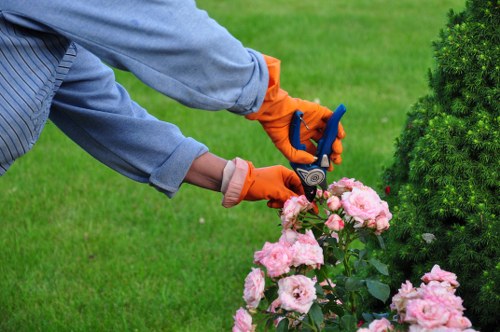
Some gardens need additional attention around trees, larger shrubs and boundary planting so that light, space and shape are better balanced. While the main focus remains on gardening rather than heavy structural change, careful attention to larger growth can make a substantial difference to the feel of the space. Tree-related work may be needed where branches interfere with usable areas or where the canopy affects the rest of the garden. The point is to improve the garden as a whole, not just one isolated feature.
Finishing work is often what turns a completed job into a polished one. This may include collecting material, neatening cut lines, checking the edges around hard surfaces and making sure the remaining planting looks deliberate rather than interrupted. In many gardens, small refinements make the result feel calmer and more presentable. Where there are several different tasks to combine, it is worth deciding which of them most improves the garden from the owner’s point of view, then shaping the job around those priorities.
Tree lopping and removal is relevant where larger growth needs more direct attention than ordinary trimming can provide. If you are planning a visit that includes trees, hedges or general gardening work, it is usually best to mention those items together so the full scope is clear. For a simple next step, contact us to request a quotation and outline what your garden needs.